
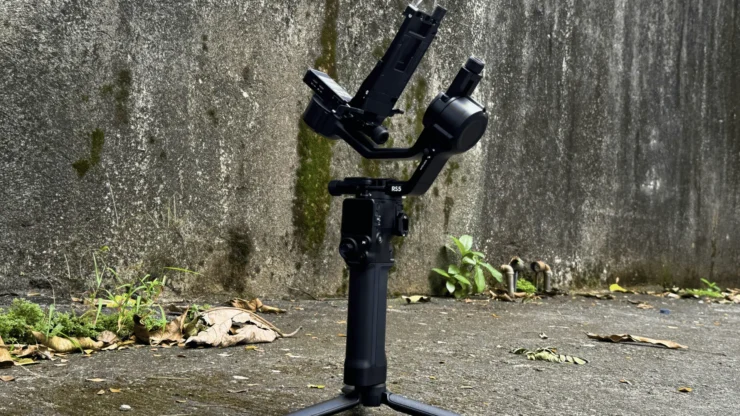
Although DJI’s drones are its best-known products, its gimbal lineup has also helped it establish a solid reputation among videographers. Due to its reliable stabilization and creator-focused features, the DJI RS 4 quickly gained popularity after its release two years ago. With the release of the DJI RS 5, DJI is once again updating its gimbal line. What exactly has changed this time? In this review, we break it down.
Table of Contents
DJI RS 5 Specifications
| Maximum Payload | 3.0 kg |
| Gimbal Weight | 1.5 kg (net weight) |
| Intelligent Tracking | Supports selecting tracking objects directly on the screen (person, vehicle, pet, any object) |
| Axis Fine-Tuning | Full fine-tuning knobs for pitch, roll, and pan |
| Axis Locks | 2nd-Generation Automatic Axis Lock |
| Arm Material | Teflon interlayers |
| Camera Control | Bluetooth shutter control (Sony, Canon, Panasonic, Fujifilm compatible) |
| Orientation Switching | Native quick release for horizontal and vertical shooting |
| Touchscreen | 1.8-inch touchscreen |
| Briefcase Handle | Electronic control handle with joystick, mode key, start/stop recording, and trigger |
| Battery Type | Removable battery (BG33) |
| Battery Life | Up to 14 hours |
| Charging | 1-hour full charge with 65W fast charging |
| Power Output | Supports power supply for image transmission and focus motor installation |
| Shooting Assistance | Z-axis indicator |
The Design
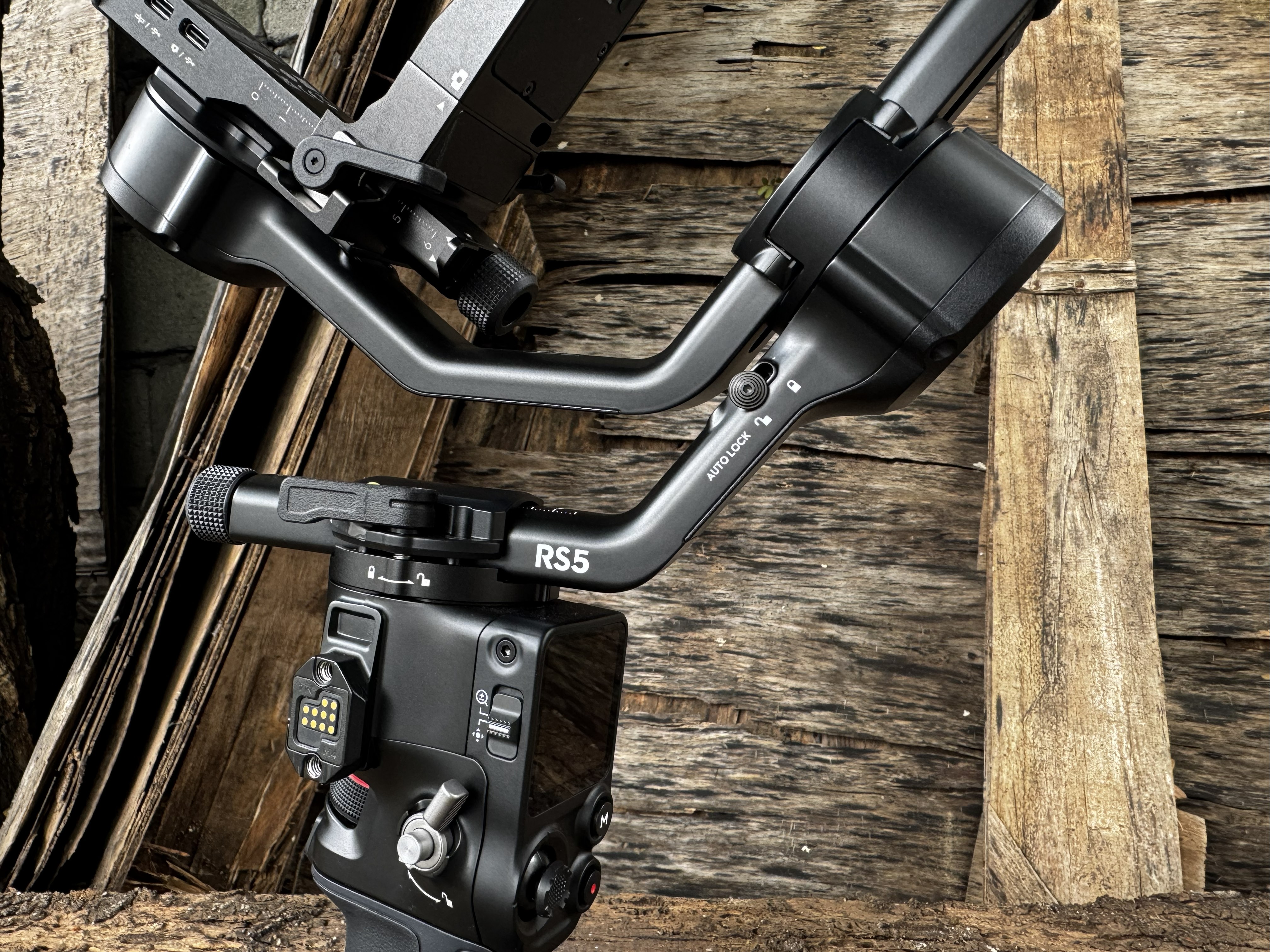
The design of the DJI RS 5 feels like DJI refining years of feedback rather than reinventing the wheel. At first glance, it still looks very much like an RS-series gimbal, but once you start handling it, the small changes add up quickly.
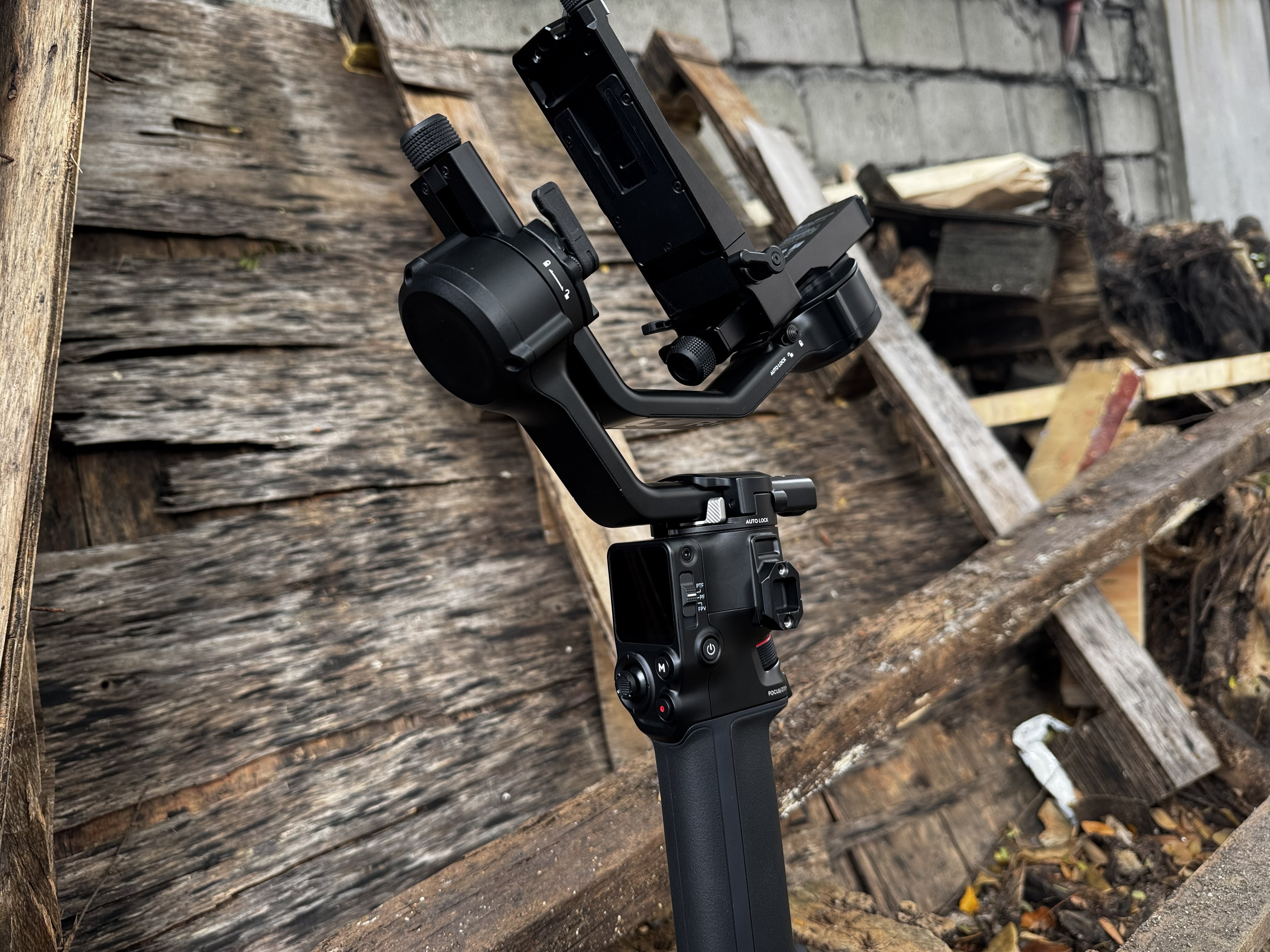
The most noticeable improvement is the redesigned axis arms with fine-tuning knobs on all three axes. Combined with the Teflon interlayers, balancing feels smoother and more controlled, especially when you are making micro-adjustments. This is particularly useful when swapping lenses or adding accessories like ND filters or microphones, where even slight weight changes usually mean rebalancing from scratch.
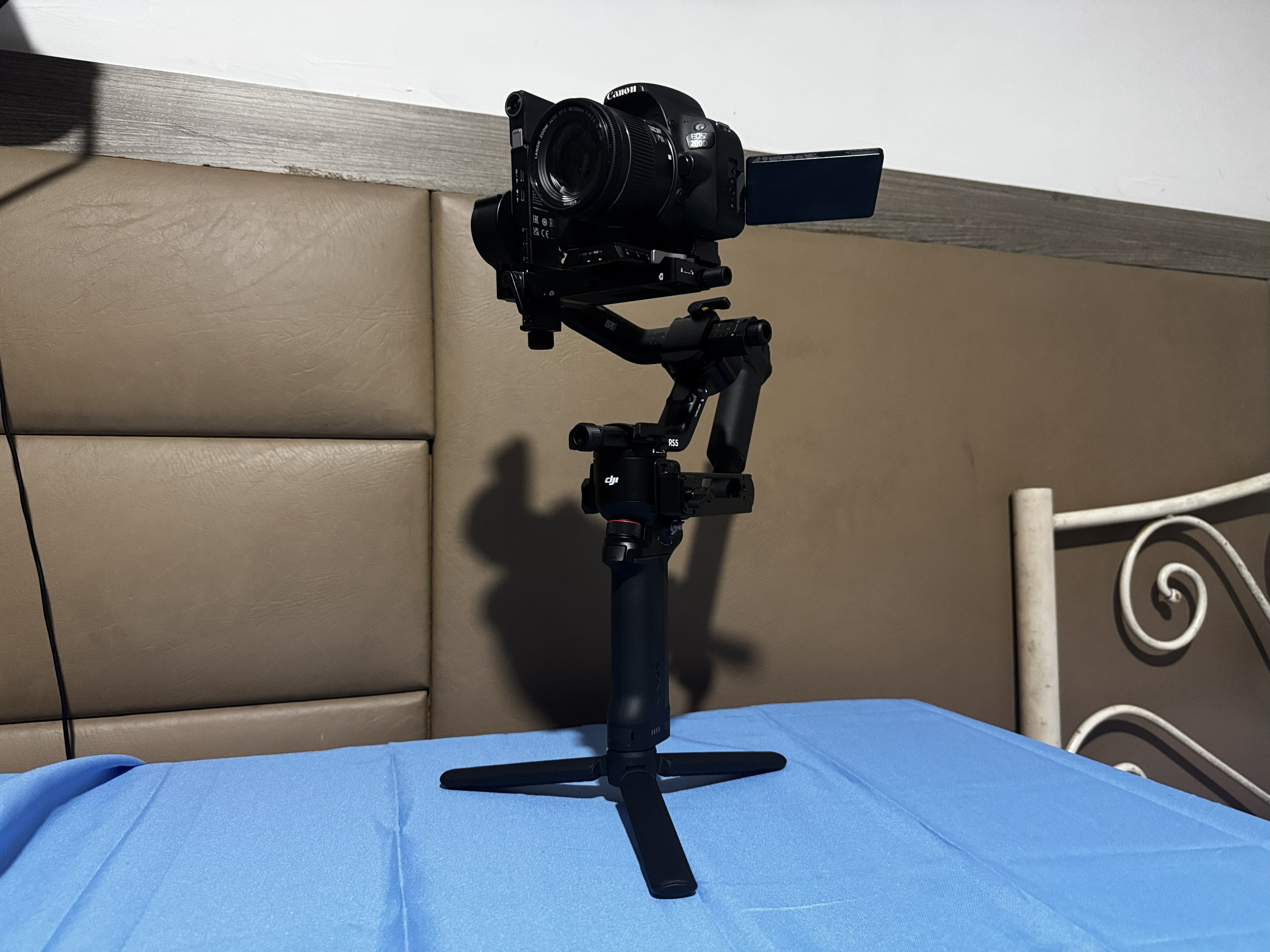
The arms themselves feel rigid and confidence-inspiring, with no flex even when paired with heavier mirrorless setups. Weight distribution is well thought out, so the gimbal does not feel front-heavy during long shooting sessions. This matters a lot for wedding or event shooters who may be holding the rig for extended periods.
DJI also kept the flat-folding design, which makes the DJI RS 5 easier to pack and faster to deploy. You can fold it down quickly for transport without fully disassembling the setup, then be ready to shoot again in minutes. For creators who move between locations frequently, this saves time and reduces friction during a shoot day.
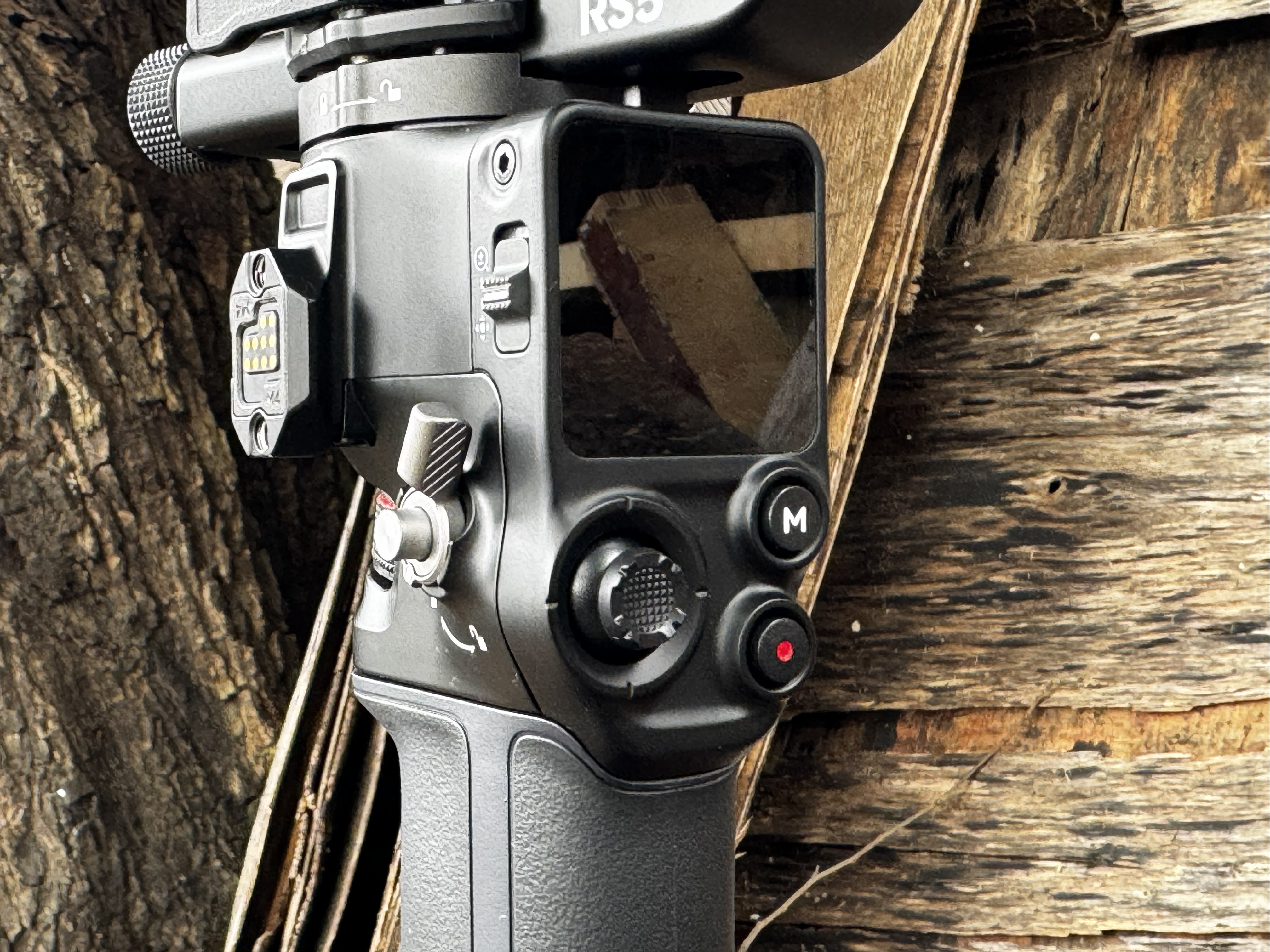
The grip and handle design also deserve mention. The main grip feels solid without being bulky, and the button placement is intuitive. The touchscreen is bright and responsive, making it easy to change modes, enable tracking, or tweak settings even outdoors. The overall layout feels optimized for one-person operation, with minimal need to take your hands off the gimbal.
DJI RS Intelligent Tracking Module
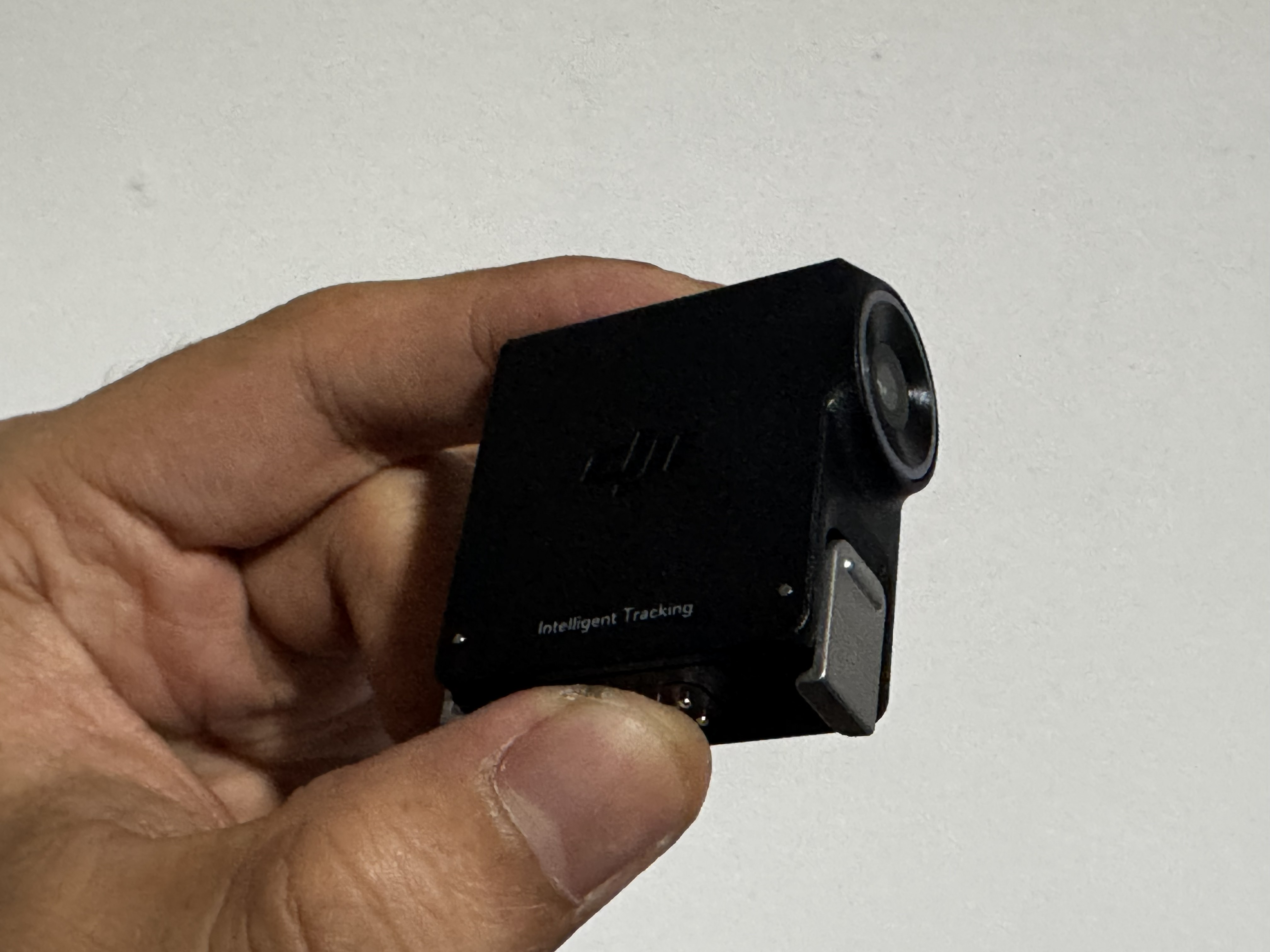
One of the biggest upgrades is the new RS Enhanced Intelligent Tracking Module. It magnetically snaps onto the gimbal with no adapter required, which already makes it more convenient than previous generations. Once activated, the module allows you to select a subject directly from the gimbal touchscreen.
What stands out is flexibility. You can track people, vehicles, pets, or basically any object. In multi-person scenes, you can even choose a specific subject. This opens up creative camera moves that usually require a second operator, such as orbit shots, push-pull movements, and low-angle tracking while walking or running.
For solo creators, this is one of the DJI RS 5’s strongest selling points.
The Performance
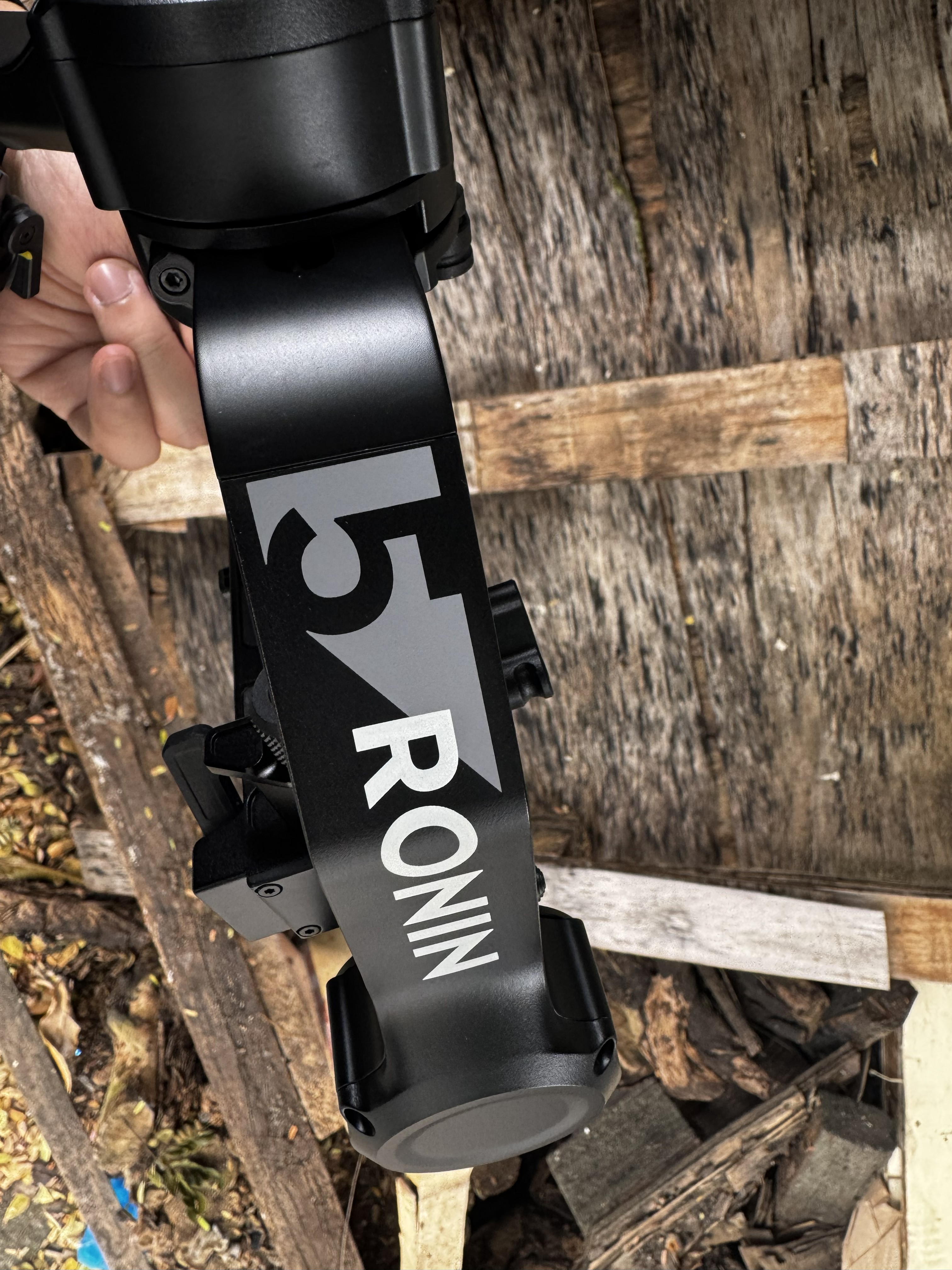
DJI is using its 5th-generation stabilization algorithm on the DJI RS 5, and it shows. Running shots, handheld orbits, and fast directional changes stay controlled. The motors are stronger too, with peak torque reportedly increased by up to 50 percent, allowing stable footage even with heavier mirrorless setups and accessories attached.
The DJI RS 5 supports payloads up to 3 kg, which comfortably covers most mirrorless cameras with medium to telephoto lenses, plus accessories like focus motors or wireless transmitters.
The Battery
Battery performance is another practical win. DJI claims up to 14 hours of runtime, and fast charging allows a full charge in about one hour with a compatible charger. For long shooting days or travel shoots, this reduces downtime and the need to carry multiple batteries.
DJI RS 5 Verdict
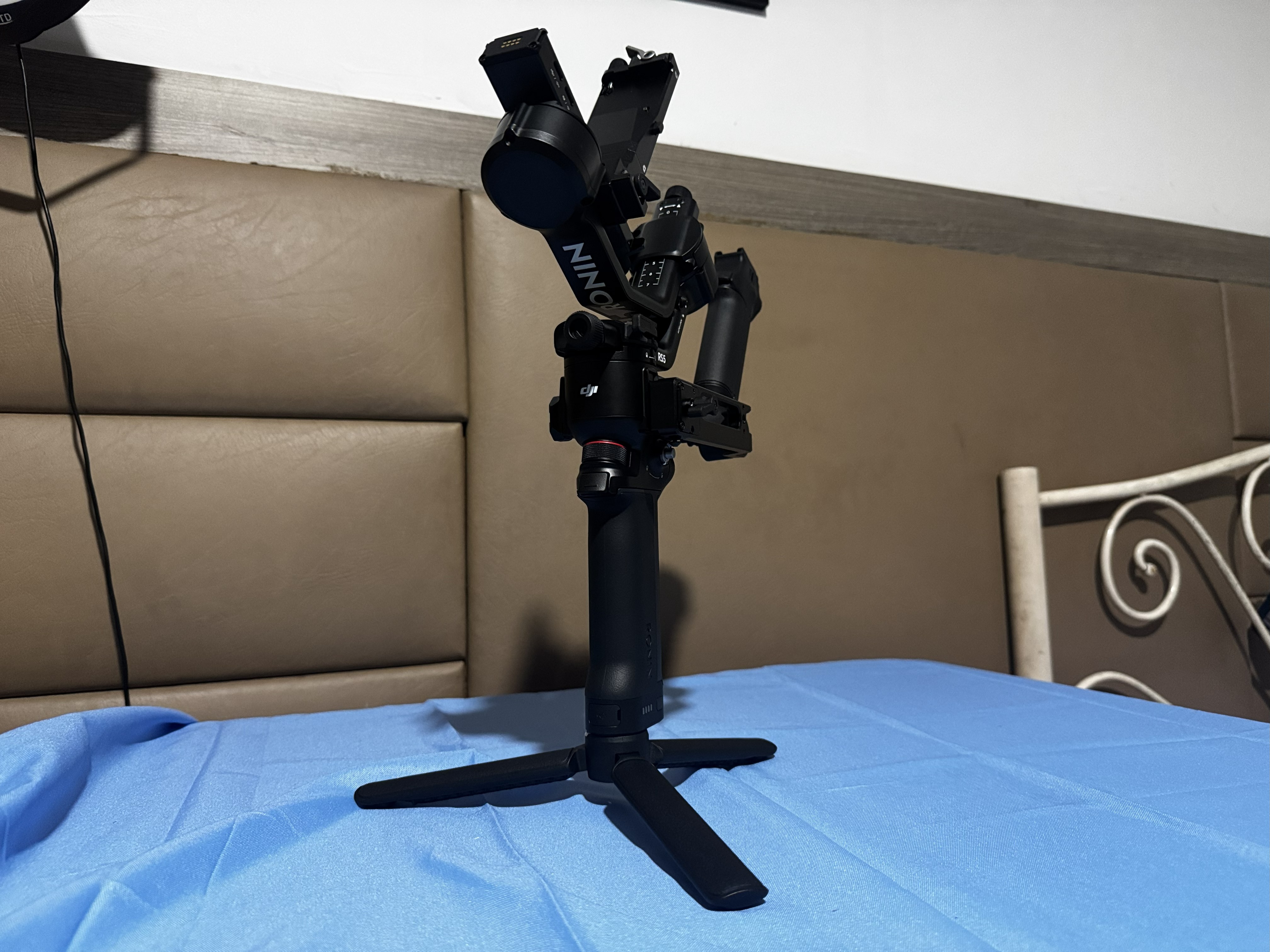
The DJI RS 5 is a thoughtful and well-executed update rather than a radical overhaul. It focuses on refining what already worked while addressing real-world needs from working videographers. With improved balancing, stronger motors, intelligent tracking, and excellent battery life, the DJI RS 5 is especially appealing for solo creators and professionals who demand reliability and speed on set.
The DJI RS 5 is priced at Php 26,390. The Combo kit, which includes the gimbal, electronic briefcase handle, quick-open tripod, BG33 battery grip, screw kit, lens-fastening support, multi-camera control cable, RS Enhanced Intelligent Tracking Module, quick-release plate, L-shaped cable, and carry case, is priced at Php 32,990.